If you run a mine, a construction site, or a large manufacturing plant, you already know the massive headache that comes with onboarding. You have to train your crew. But every time you pull a working machine off the line so a rookie can practice, you bleed money. Fuel gets burned, daily production slows down, and honestly, the risk of a major accident skyrockets the second a beginner takes the controls.
VIRTU Indonesia stepped in to fix this exact mess.
They aren’t just pushing another flashy tech gimmick. They’ve built a hardcore simulation platform that pushes workers through worst-case scenarios without the actual danger. By completely changing how industrial sites handle their prep work, they are rewriting the rules for operational efficiency. Here is how their ecosystem works.
Real Reflexes, Zero Real-World Danger
Flipping through a safety manual doesn’t do much when a piece of heavy machinery suddenly catches fire. Survival and quick thinking come from muscle memory. Usually, that takes years of risky, hands-on experience to build.
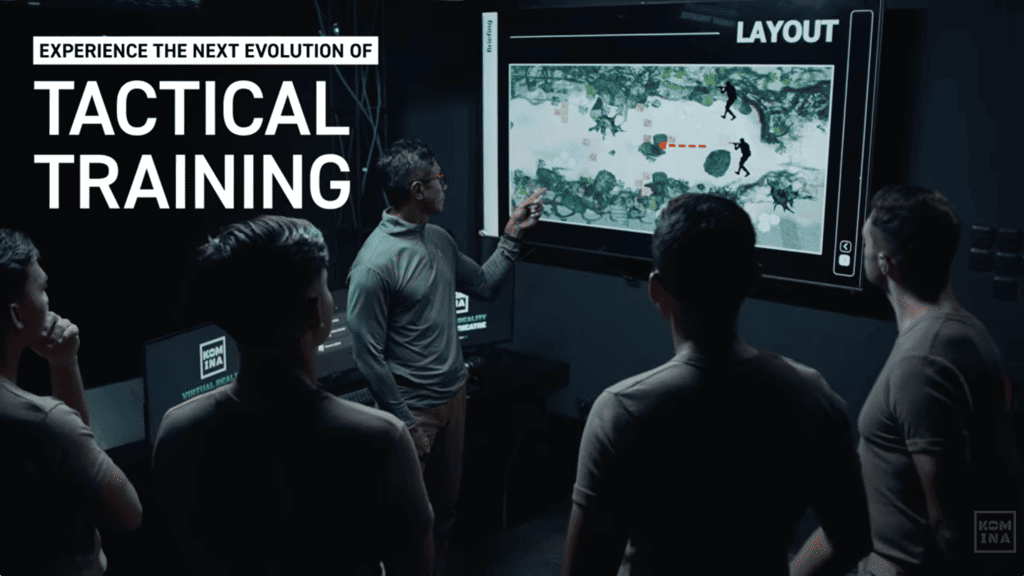
VIRTU bypasses the danger completely. Their VR setup drops operators into highly stressful, hyper-realistic site conditions right in the training room. If they panic, miss a step, and crash a multi-ton truck in the simulation? Nothing happens in the real world. It’s a hundred percent zero risk. They get to fail, learn, and build those split-second reflexes while your actual fleet stays safe and productive in the pit.
The Pelican Case: VR That Actually Travels
Mention “VR training” to a site manager, and they’ll usually roll their eyes. They picture tangled cords, fragile room sensors, and gear that breaks the second it hits a dusty mining camp.
VIRTU totally bypassed this logistical nightmare by engineering their entire system into a shock-proof, heavy-duty All-in-One Pelican Case. Open the lid, and you’ve got a high-spec PC, a built-in monitor, audio, and a charging station ready to go. No complex setup needed. A trainer can drag it into a remote breakroom, plug it in, and run unlimited sessions until every single operator knows exactly what they are doing.
Ditching the Clipboard for Tracked Data
Standing next to a trainee with a clipboard is a terrible way to judge their skills. Human instructors have biases, and they easily miss things—like a slight hesitation on the brakes or a skipped safety check.
VIRTU’s software watches everything. Using Tracked Data Records, the system quietly logs steering precision, reaction times, and protocol compliance during the simulation. All that raw data feeds into a straightforward dashboard. So, instead of guessing if a guy is ready for the real job based on a gut feeling, management gets hard, undeniable numbers to back up the decision.
The Digital Twin: A Sandbox for the C-Suite
It’s not just about getting operators up to speed, though. VIRTU is also handing executives a massive decision-making tool: Digital Twin technology.
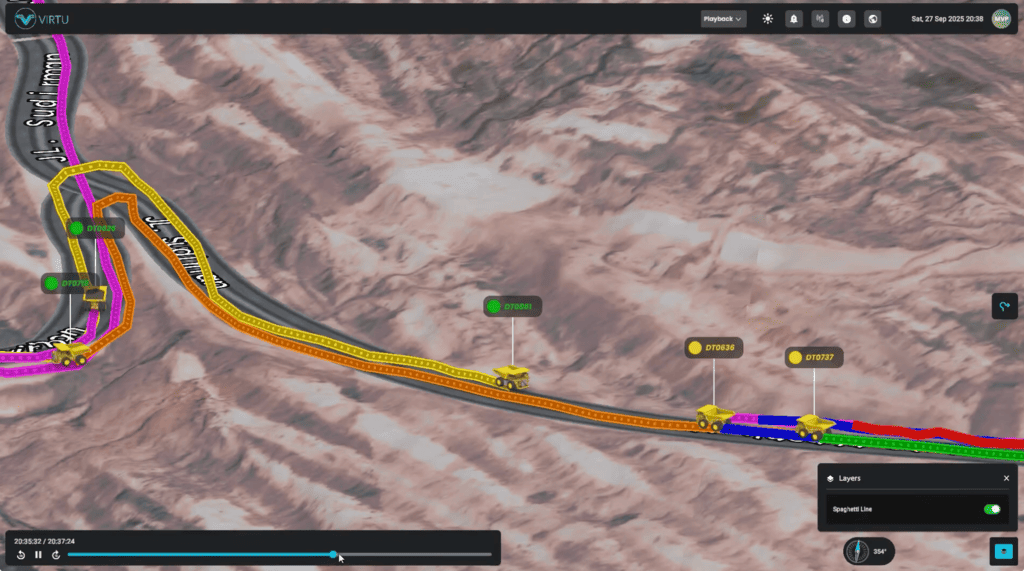
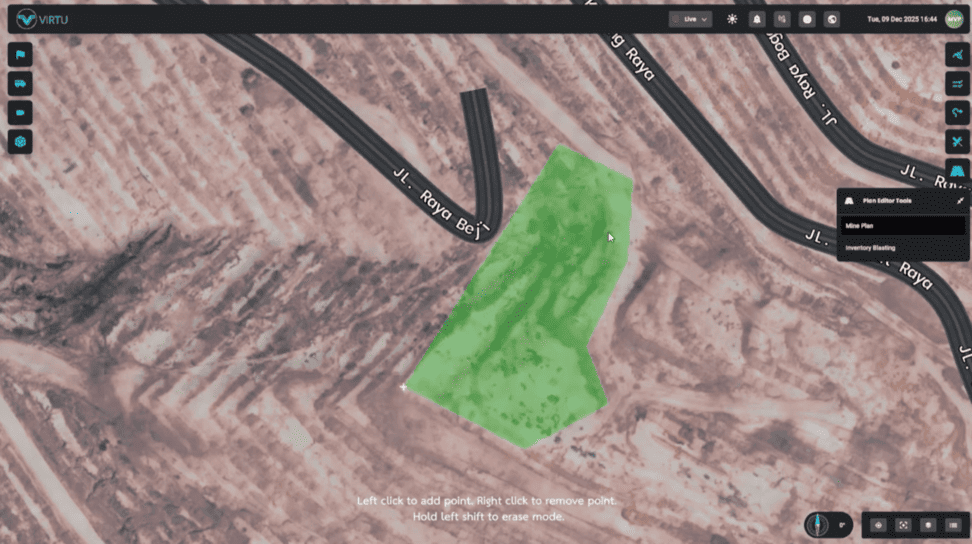
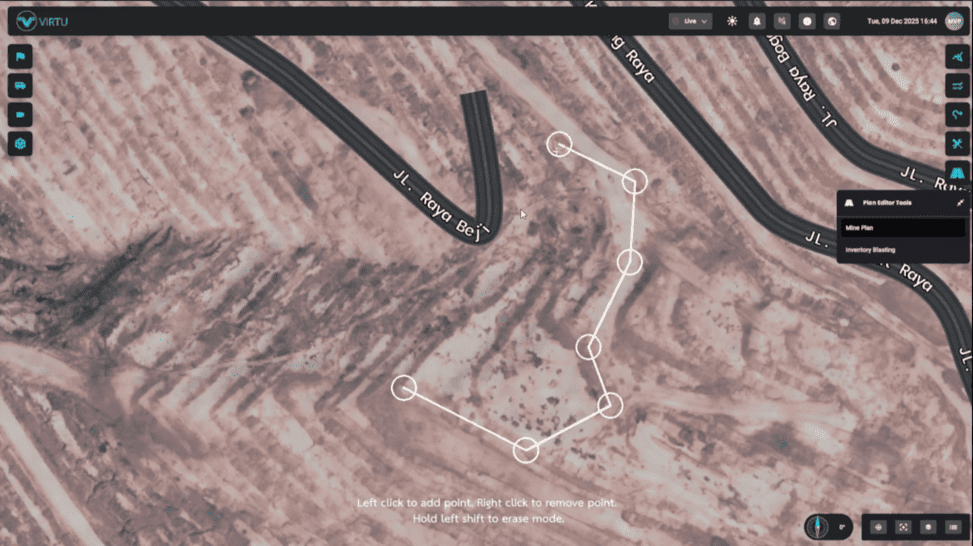
Think of a Digital Twin as a live, breathing 3D clone of your actual site, constantly fed by real-time data. Want to see what happens if you reroute your haulers? Or maybe you need to know exactly when a specific excavator is going to break down so you can schedule maintenance before it dies mid-shift? You can test all these moves in the digital sandbox. It lets you optimize your entire operation and prevent budget bleeds without ever interrupting actual production.
Execution is Everything
Everything VIRTU builds comes back to one simple concept: transforming knowledge into action. It’s about taking the rules a worker memorized and turning them into automatic reflexes under pressure.
Out in the field, margins are tighter than ever. Relying on old-school, expensive training methods just doesn’t cut it anymore. Smart simulation is the new baseline if you want to protect your budget and make sure your crew goes home safe every single night.