
Underground coal mining does not reward hesitation. When methane levels spike, when a support beam groans under shifting geological weight, or when water begins seeping through a fresh fissure—these moments demand decisions measured in seconds. The supervisor who pauses to recall a slide from last month’s training is already behind the curve.
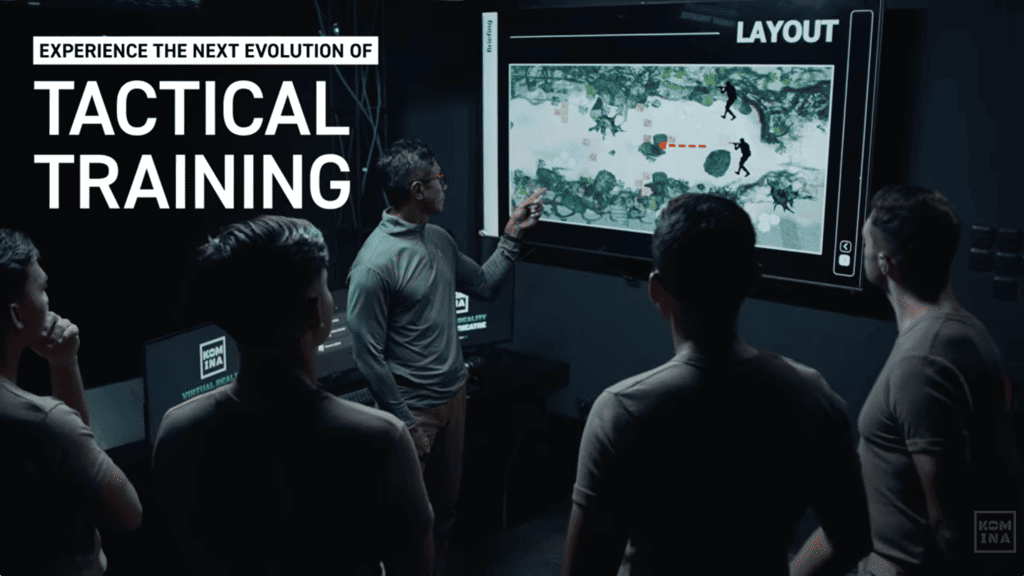
This is the core insight behind Virtu’s VR training platform. The program isn’t just about knowledge transfer. Supervisors generally know the regulations and the checklists already. The real goal is transforming that static knowledge into rapid, confident decision-making under conditions that mimic the chaos of real underground operations.
The Readiness Gap: Knowledge vs. Judgment
There is a distinction the mining industry often blurs: knowing the right answer and executing the right action are two different animals. A written exam proves a supervisor knows the gas evacuation sequence. It does not prove they will execute it calmly when alarms are shrieking, visibility is dropping, and a panicked crew is looking to them for an exit.
VR bridges this gap through “transfer-appropriate processing.” This is the principle that memory retrieval is strongest when the conditions of recall match the conditions of learning. If you learned a procedure while standing in a virtual mine tunnel with realistic ambient noise and visual stress cues, you will recall it far more effectively when you hit those same conditions 200 meters underground.
Psychological Pressure Without the Body Count
Underground coal mining does not reward hesitation. When methane levels spike, when a support beam groans under shifting geological weight, or when water begins seeping through a fresh fissure—these moments demand decisions measured in seconds. The supervisor who pauses to recall a slide from last month’s training is already behind the curve.
This is the core insight behind Virtu’s VR training platform. The program isn’t just about knowledge transfer. Supervisors generally know the regulations and the checklists already. The real goal is transforming that static knowledge into rapid, confident decision-making under conditions that mimic the chaos of real underground operations.
1,000 Sessions: Adoption as a Metric
In an industry often skeptical of new technology, adoption velocity is the most honest metric. Virtu’s coal mine supervisor program recorded 1,000 training sessions across seven Indonesian sites within its first 90 days. This didn’t come from a top-down mandate. it came from safety officers who completed the training and immediately told their networks.
Consider the operational weight: seven geographically distributed facilities, serving different companies with different cultures, all independently choosing the same tool. That kind of cross-organizational consensus is rare in the mining sector.
The Competitive Edge: Human Capability
Mining companies compete on extraction costs and logistics. But the leaders of the next decade are those investing in human capability. A well-trained supervisor does more than just prevent accidents. They optimize shift performance, reduce equipment downtime through better oversight, and stabilize a safety culture that keeps skilled workers from leaving.
Conclusion: Redefining Operational Excellence
VR training through Virtu isn’t an expense—it is a piece of essential infrastructure. The mining companies that understand this today will outperform those that are still trying to figure out their PowerPoint decks tomorrow. In the coal industry, the only thing more expensive than a 3D simulator is an unforced error in a crisis.
Underground coal mining does not reward hesitation. When methane levels spike, when a support beam groans under shifting geological weight, or when water begins seeping through a fresh fissure—these moments demand decisions measured in seconds. The supervisor who pauses to recall a slide from last month’s training is already behind the curve.
This is the core insight behind Virtu’s VR training platform. The program isn’t just about knowledge transfer. Supervisors generally know the regulations and the checklists already. The real goal is transforming that static knowledge into rapid, confident decision-making under conditions that mimic the chaos of real underground operations.